
Why Your Jaw Clicks or Pops: Is It a Sign of TMD?
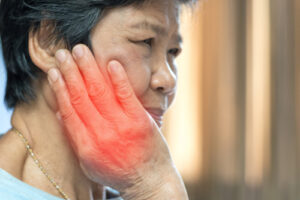 Have you ever opened your mouth to yawn or take a bite of food and noticed a clicking or popping sound in your jaw? While occasional jaw noises aren’t always cause for concern, persistent clicking or popping accompanied by pain, stiffness, or difficulty moving your jaw may be a sign of Temporomandibular Disorder (TMD).
At Today’s Dentistry, your dentist in Ashland, OR, Dr. James Burneson helps patients identify the underlying causes of jaw discomfort and develop personalized treatment plans to improve comfort and restore normal jaw function. If you suspect that you may have TMD, schedule a consultation at Today’s Dentistry by calling (541) 482-7771.
Why Patients Trust Dr. James Burneson for TMD Care
Choosing a dentist with advanced training in Temporomandibular Disorder can make a significant difference when seeking relief from jaw pain.
Dr. James Burneson has pursued extensive continuing education beyond dental school, including completing a Temporomandibular Disorder (TMD) and Orofacial Pain mini-residency at the UCLA School of Dentistry. His commitment to advanced education allows him to accurately diagnose jaw disorders and develop individualized treatment plans based on each patient’s symptoms and goals.
At Today’s Dentistry, patients receive compassionate, comprehensive care using modern diagnostic technology and a personalized approach. The practice proudly serves patients throughout Ashland, Talent, Phoenix, Medford, and surrounding Southern Oregon communities.
What Is TMD?
Temporomandibular Disorder (TMD) refers to a group of conditions affecting the temporomandibular joints (TMJs), the muscles that control jaw movement, and the surrounding tissues. These joints connect your lower jaw to your skull and allow you to speak, chew, yawn, and perform everyday movements.
When these joints or muscles become inflamed, injured, or strained, they may produce symptoms that interfere with daily life, including clicking or popping sounds.
Why Does My Jaw Click or Pop?
 A clicking or popping jaw can occur for several reasons, including:
- The cushioning disc inside the jaw joint has shifted out of position.
- Tight or overworked jaw muscles.
- Teeth grinding or clenching (bruxism).
- Arthritis affecting the jaw joint.
- Injury or trauma to the jaw.
- Bite misalignment that places uneven stress on the jaw.
Some people experience painless clicking that doesn’t require treatment. However, if the sound is accompanied by pain, locking, or limited jaw movement, it should be evaluated by a dental professional.
Common Symptoms of TMD
Jaw clicking is just one possible symptom of TMD. Other signs may include:
- Jaw pain or tenderness
- Facial pain
- Frequent headaches or migraines
- Ear pain or a feeling of fullness in the ears
- Neck and shoulder discomfort
- Difficulty opening or closing the mouth
- Jaw locking
- Pain while chewing
- Changes in your bite
Symptoms may come and go or gradually worsen if left untreated. If you’re experiencing any of these symptoms, contact your Ashland dentist by calling (541) 482-7771.
Is Jaw Clicking Always a Problem?
Not necessarily. Many people experience occasional jaw popping without pain or limited movement. This may simply be due to temporary muscle tension or a minor shift in the joint.
However, you should schedule an evaluation if:
- The clicking becomes frequent.
- Your jaw hurts during everyday activities.
- Your jaw locks open or closed.
- You have difficulty chewing.
- You notice swelling around the jaw.
- Your headaches or facial pain continue without another explanation.
Early diagnosis can help prevent additional wear on the joint and reduce long-term discomfort.
How Dr. James Burneson Evaluates TMD
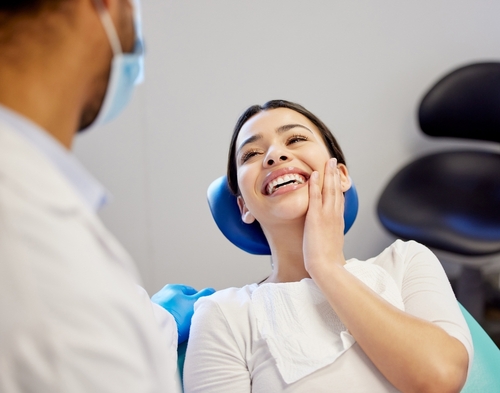 At Today’s Dentistry, Dr. James Burneson takes a comprehensive approach to diagnosing jaw disorders. During your examination, he will evaluate:
- Your jaw’s range of motion
- Joint sounds during movement
- Areas of muscle tenderness
- Your bite alignment
- Signs of teeth grinding or excessive wear
- Your medical and dental history
Advanced diagnostic technology may also be used when necessary to better understand the condition affecting your jaw. Dr. Burneson’s advanced education in TMD and Orofacial Pain allows him to identify the source of jaw discomfort and recommend appropriate treatment options for each patient’s needs.
Treatment Options for Jaw Clicking and TMD
Treatment depends on the underlying cause of your symptoms. Many patients find relief through conservative, non-surgical options such as:
Custom Night Guards
If nighttime teeth grinding or clenching is contributing to your symptoms, a custom oral appliance can reduce pressure on your jaw joints while protecting your teeth.
Bite Adjustments
If an uneven bite is placing stress on your jaw, adjustments or restorative dental treatment may help improve balance.
Lifestyle Changes
Simple modifications can often reduce symptoms, including:
- Eating softer foods during flare-ups
- Avoiding chewing gum
- Applying warm compresses
- Practicing jaw relaxation exercises
- Reducing stress when possible
Collaborative Care
For more complex cases, Dr. Burneson may recommend working alongside physical therapists or other healthcare providers to achieve the best outcome.
Can TMD Go Away on Its Own?
Some mild cases improve with rest and avoiding activities that strain the jaw. However, persistent symptoms should not be ignored. Without proper treatment, ongoing stress on the jaw joint may lead to worsening pain, reduced mobility, and chronic discomfort.
Seeking evaluation early often makes treatment simpler and more effective.
Schedule a TMD Evaluation at Today’s Dentistry!
If your jaw clicks, pops, hurts, or feels stiff, don’t wait for the symptoms to worsen. Dr. James Burneson and the team at Today’s Dentistry are committed to helping patients find lasting relief through personalized diagnosis and treatment.
Whether you’re experiencing occasional discomfort or chronic jaw pain, we’re here to help restore your comfort and quality of life. For top dental care, contact our Ashland dental office by calling (541) 482-7771.